
Glass recycling in construction

Saint-Gobain Glass supports the circular economy
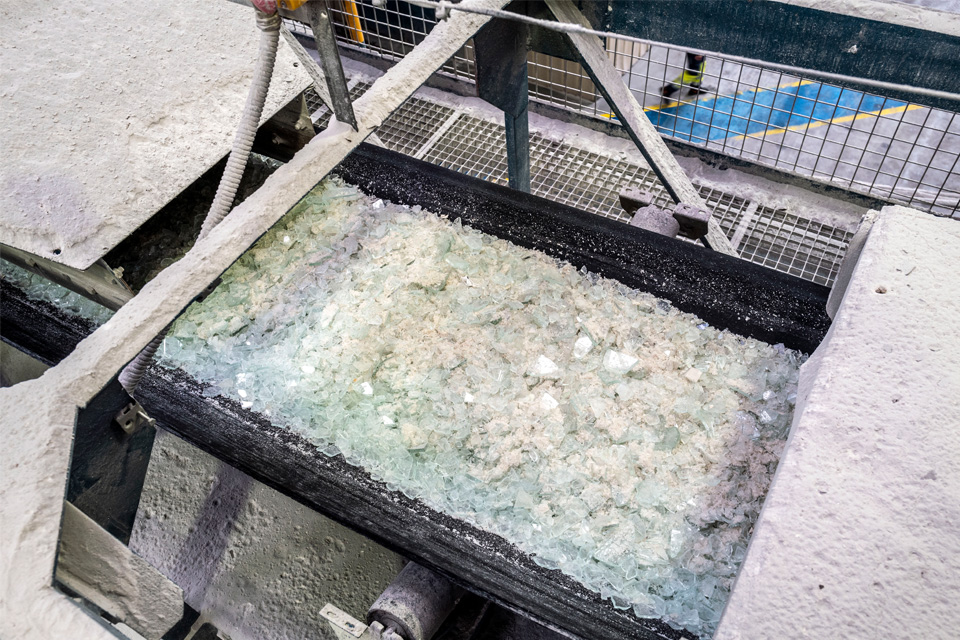
Sustainable construction and glass recycling
The construction industry is one of the key sectors of the global economy, and the growing demand for building materials requires responsible management of natural resources. At Saint-Gobain Glass, we aim to reduce excessive raw material consumption and promote glass recycling, supporting the concept of a circular economy (CE).
Did you know that glass can be recycled infinitely? Construction glass, used in windows, facades, and other glazing applications, can be reused as glass cullet. This is a key element in sustainable construction and reducing CO₂ emissions.
It is important to remember that only high-quality glass cullet can be recycled. Additionally, during the production of float glass, cullet from other industries cannot be used. The increase in the recycled content of float glass can only be achieved by adding flat glass cullet!
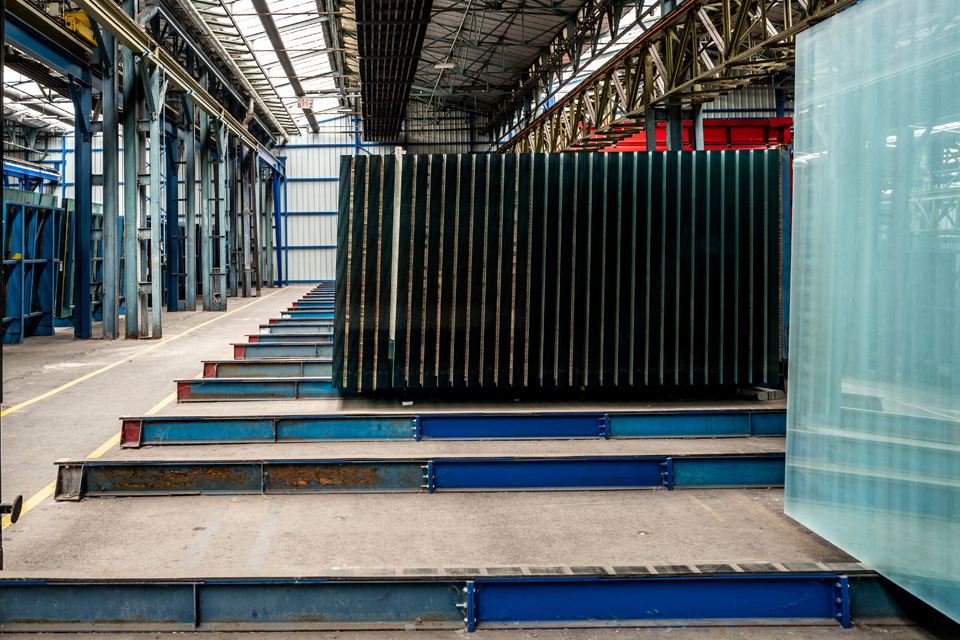
1 ton of glass cullet allows to:
- reduce CO₂ emissions – 1 ton of cullet can lower CO₂ emissions by 700 kg (Scope 1, 2, and 3),
- save natural resources – 1 ton of cullet saves 1.2 tons of virgin raw materials, including sand,
- reduce energy consumption in float glass production,
- minimize glass waste on landfills.
Glass recycling –
a key to a sustainable future
By using cullet, Saint-Gobain Glass contributes to reducing the carbon footprint and supports the circular economy. Glass that is recycled can be used as raw material for producing new panes of glass, instead of ending up in landfills.
We share our knowledge and offer assistance with any projects related to the dismantling of glazing systems or façade renovation. If you are planning a building modernization or glazing dismantling, contact us. We will help manage glass waste in the spirit of sustainable construction.
Saint-Gobain Glass – a leader in building glass recycling innovation.
*This is the average for all float glass plants in Europe within the Saint-Gobain group, data from June 20, 2023. Data calculated according to ISO 14021:1999.


