
Interview with Agnieszka Kalinowska-Sołtys, architect

ON THE MISSION OF ARCHITECTURE
“In an ideal world, we would like to design and construct buildings that do not negatively impact the environment in any way,” says architect Agnieszka Kalinowska-Sołtys—board member and partner at APA Wojciechowski Architekci, president of SARP, expert in green architecture, and, above all, a successful woman—sharing her passion for being an architect. She also explains why participating in competitions such as the Saint-Gobain Glass Design Award is worthwhile.
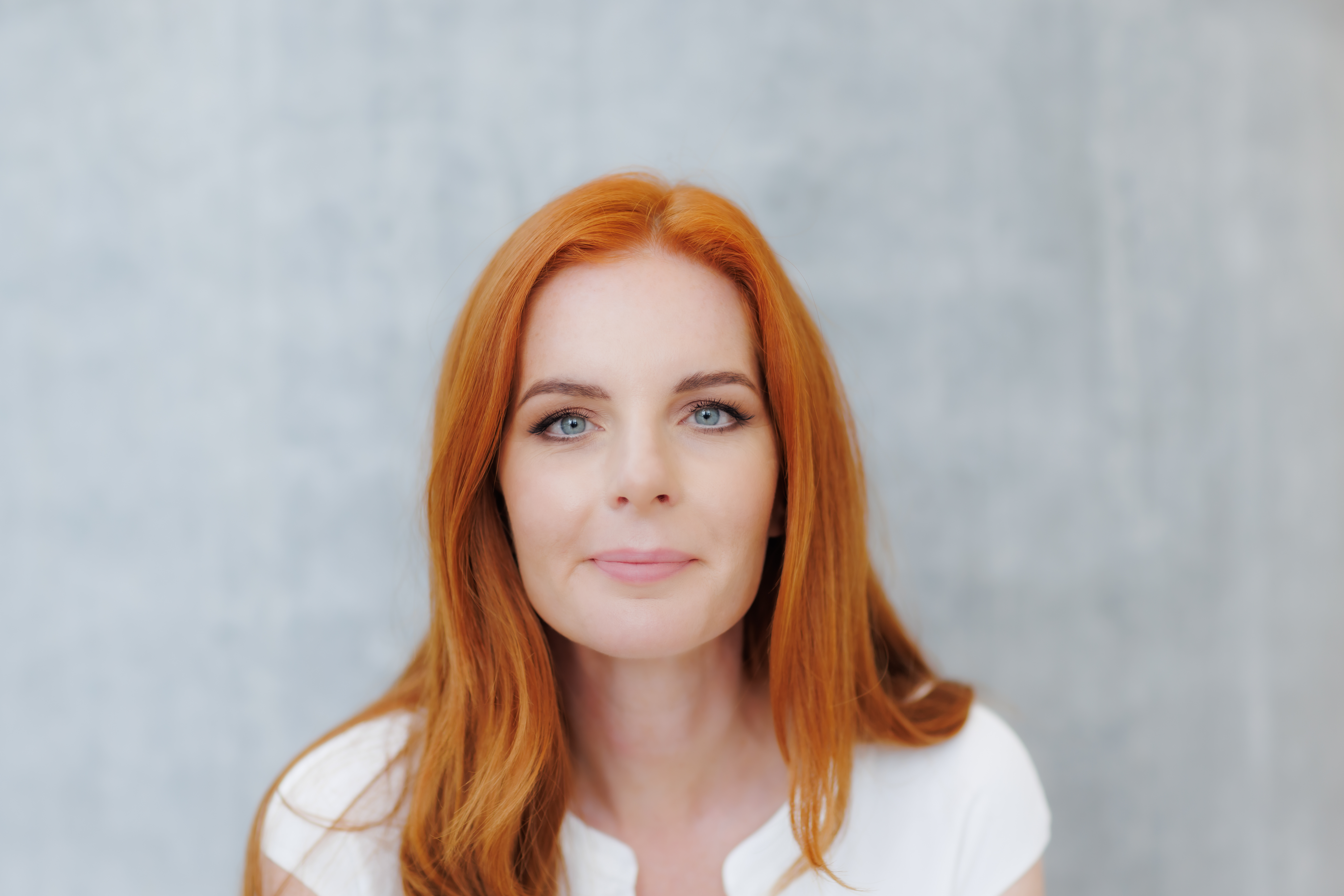
You have been associated with APA Wojciechowski Architekci—one of the largest architectural firms in Poland—for years. As part of your work there, projects such as the Alchemia I and II office buildings in Gdańsk and the highly acclaimed revitalization of Warsaw’s Elektrownia Powiśle were developed, for which you were a co-author. These projects have received numerous awards and recognitions in prestigious architectural competitions, both nationally and internationally. What was your role in these projects?
Agnieszka Kalinowska-Sołtys: I had the pleasure of being part of the team working on these projects. In the case of Alchemia, there were even a dozen of us, and for Elektrownia Powiśle, more than 60 people. I was primarily responsible for aspects related to sustainability. My tasks included reducing the carbon footprint, utilizing certification systems, and developing solutions to minimize the negative environmental impact of these buildings—not only during their construction but also throughout their operational lifespan, ensuring they function efficiently for as long as possible.
The Phenomenon of Elektrownia Powiśle
Let’s focus for a moment on the revitalization of Warsaw’s Elektrownia Powiśle, which has received awards such as the “Fashion Business Trends Awards 2022 – Modne Miejsce,” “MIPIM Award 2021 – Best Mixed-Use Project,” and “Golden Trezzini Award 2021 – Finalist,” among many others. What makes this project so special? Why has it been recognized in so many competitions?
I believe there are many aspects to it. Primarily, it seamlessly intertwines the old with the new. When we think of Elektrownia Powiśle, we immediately associate it with a historic building that has undergone revitalization. Its origins date back to 1908, and it’s important to remember that at the time, architecture was essentially a functional wrapper for technology. A hundred years later, we recognize that this “wrapper” itself—its riveted steel structure and brickwork—is truly exceptional. Today, we admire this construction, rediscovering its beauty.
The investor also made a brilliant decision by introducing a well-thought-out mix of functions. The project consists of a complex of buildings, with Elektrownia Powiśle itself serving as a hub for social gatherings and entertainment. It offers high-end fashion stores, diverse dining options catering to different budgets, and surrounding buildings that complement the space, ensuring constant activity. The site includes new office buildings, residential spaces, and a hotel nearing completion. The key to its success is that it remains vibrant at all times—regardless of the time of day or week. This mixed-use functionality is a tremendous advantage.
Balancing a Renowned Firm with Personal Growth
How have you managed to combine working in a prestigious architectural firm with building your own personal brand?
Perhaps, in a somewhat paradoxical way, I would say—I don’t have a personal brand. I am APA Wojciechowski Architekci. Together with Szymon Wojciechowski, Michał Sadowski, Witek Dudek, and the rest of the management team, we create this studio. It is not my personal brand—I am part of APA Wojciechowski. I often joke that we all carry the surname “Wojciechowski” here. He is the founder, our leader, president, and the heart of this firm.
The idea of a personal brand emerged somewhat unintentionally, perhaps because I focus on sustainability, environmental protection, and climate change awareness. I believe in educating both myself and fellow architects about the significant environmental impact of construction and what can be done to mitigate it. In an ideal world, we would design buildings that have no negative environmental impact. We aspire to technologies that can, for example, capture carbon dioxide and other greenhouse gases from the atmosphere, improving environmental quality and halting climate change—an issue that, unfortunately, is already a reality.
Sustainable Architecture and Green Certifications
You are a recognized expert in sustainable architecture. Since 2010, you have held certifications for BREEAM and LEED, are an auditor for the “Green Home” system, and a member of the verification committee for the “Green Building Standard” certification. You’ve also published extensively on green buildings and sustainable urban development. What drives your approach to architecture and urban planning?
I think it was a challenge from the start. When I joined APA Wojciechowski in 2010, I faced a fundamental question: What area did I want to specialize in? I chose green building certification, influenced by my earlier interests in passive buildings and energy efficiency. I was fascinated by the idea of utilizing heat, cooling, and other natural processes to ensure buildings function effectively without relying on electricity. This stems from a concern not only for thermal comfort but also for creating healthy buildings that consume minimal energy—especially given that, in Poland, electricity still primarily comes from polluting sources.
At APA Wojciechowski, I was able to develop expertise in BREEAM, LEED, WELL Building Standard, and many other certifications.
The Role of Certifications in Everyday Architectural Work
How are these certifications applied in an architect’s daily work?
They serve as excellent tools for designing and managing buildings with a lower environmental impact. Here, we must think about climate change, the future of upcoming generations, and long-term sustainability. We already know how the climate is changing and what projections suggest for the next 10, 50, or even 100 years. Simulations show that society will have to confront challenges that do not yet exist today. Rising sea levels will flood parts of cities, and we must build structures that protect people from extreme weather events such as hurricanes, strong winds, and temperature extremes—both hot and cold.
Women in Architecture
Last year, you became the 27th president of SARP and the first woman to hold this position in its 88-year history. How do you see yourself in this role?
Previously, I served as the vice president of SARP for environmental and climate protection matters—topics particularly close to my heart. Sharing knowledge with fellow architects was a passion of mine. However, early last year, the then-president of SARP unexpectedly resigned. It was the middle of the term, and we had to act quickly. The SARP Main Board unanimously decided that I should take on the presidency—a responsibility I deeply appreciate.
This is an honor, but it also reveals a sad truth about the historical role of women in Polish architecture. What is the current position of women in this field?
The role of women in architecture has evolved significantly. Decades ago, very few women studied architecture. When SARP was founded, there were hardly any female architects. Today, the trend has shifted—women now make up the majority of students in Poland’s architecture programs. I find this encouraging because I believe women have great potential in this profession.
Mentorship and Encouraging Young Architects
In 2018, you won three Top Woman in Real Estate awards, and since 2019, you have been a mentor in the Top Woman program, guiding young women starting their careers.
Winning those awards was rewarding, but I found even greater joy in mentoring. Sharing my experience with young women, listening to their journeys, and advising them has been incredibly fulfilling. I am a feminist and strongly believe in gender equality. Studies show that at the current pace, Poland will need over a hundred years to achieve equal pay and treatment for women. There’s still much work to be done, and I want to support women at the beginning of their careers.
Judging the Saint-Gobain Glass Design Award
As a jury member for the Saint-Gobain Glass Design Award, how would you encourage young architects to participate?
An architect must learn throughout their entire career. This competition is a valuable learning opportunity, allowing participants to tackle technical, material, and health-related challenges—particularly regarding glazing and lighting, which play crucial roles in daily life.
What criteria will you focus on when judging the entries?
Many may expect me to prioritize ecology (laughs)—and of course, the carbon footprint matters. But for me, the three fundamental qualities of a well-designed building are aesthetics, durability, and quality.
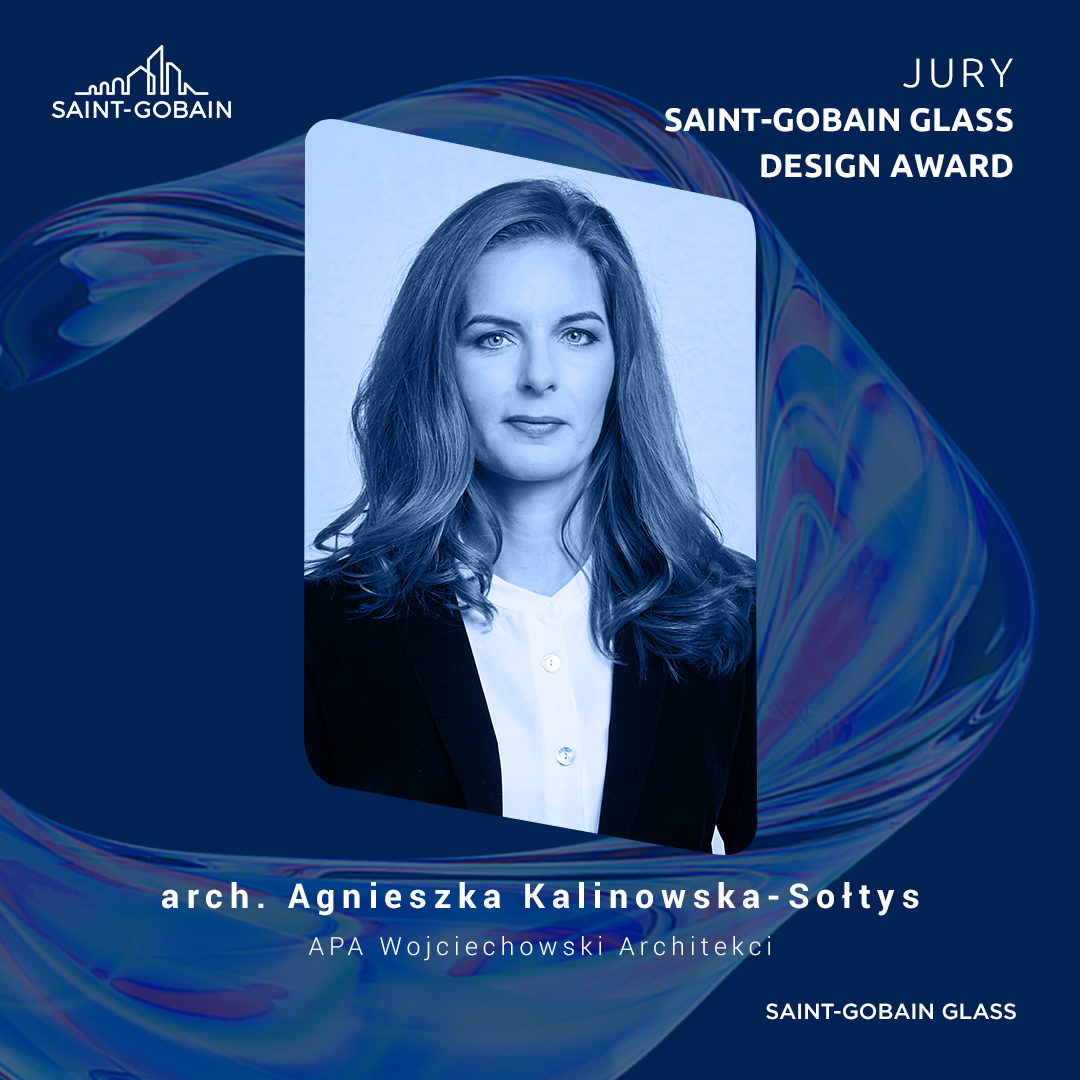
More about the Saint-Gobain Glass Design Award: https://www.saint-gobain-glass.pl
Honorary patronage:
Łódź Design Festival, Stowarzyszenie Architektów Polskich (SARP), Wydział Architektury Politechniki Warszawskiej
Media patronage:
Architektura&Biznes, Elle Decoration, Architecture Snob, WhiteMAD, Designteka.pl, Foorni.pl, Czas na Wnętrze, MAGAZIF.com, Bryła, Design Alive, Architektura Murator, Urządzamy.pl, Sztuka-wnętrza.pl, Sztuka-architektury.pl, BIZNES.meble.pl, Domosfera.pl, LABEL, Builder
*źródło zdjęć APA Wojciechowski